
Video Made the LinkedIn Star
How to Stop the Scroll, Build Authority, and Win on LinkedIn You’ve seen it in your own feed: an endless scroll of long, text-only posts, company updates, and résumés. In a sea of professional noise, how do you actually get noticed by the people who matter? If you’re relying on text alone, you’re already falling behind. The single most powerful tool for creating genuine connection, demonstrating expertise, and stopping the scroll on LinkedIn is video. But creating effective video for LinkedIn isn’t about viral trends or daily vlogs. It’s about a smart strategy that builds trust and drives real business results. In today’s crowded feed, text-only posts are often dead in the water. It’s the visual—a great headline and a compelling image or video—that makes someone pause. But what makes video uniquely powerful? It comes down to how we learn and process information. Human learning is typically broken down into three styles: Visual (65% of people): Learning by watching. Auditory (30% of people): Learning by listening. Kinesthetic (5% of people): Learning by doing. Video is the only medium that effectively combines all three, creating a richer, more memorable experience. It allows you to build an emotional connection and a “know, like, and trust” factor in a way text simply can’t. The on-platform numbers for LinkedIn back this up: Video posts on LinkedIn get five times the engagement of text-only posts. 67% of decision-makers—the very people you want to reach—would rather watch a video than read about your services. Your brain processes visuals 60,000 times faster than text, making video a shortcut to getting your message across effectively. If you’re not using video, you’re missing out on the most effective way to connect with your audience on the world’s largest professional network. The biggest myth about LinkedIn video is that you need to post every day to stay relevant. In reality, the algorithm favors quality over quantity. Its goal is to promote content that sparks meaningful conversation, not just content that fills the feed. One client switched from posting video twice a week to every single day. However, it actually resulted in his engagement and impressions plummeting. All that extra effort actually hurt his visibility. To make the algorithm work for you, focus on sparking discussion. Here’s what LinkedIn values most: Saves and Reshares: These are high-value actions that tell the algorithm your content is a valuable resource worth showing to more people. Comments: This is the ultimate goal. A comment starts a conversation, which is exactly what the platform is designed to encourage. Reactions and Impressions: While less impactful, likes and views still signal interest. Don’t get discouraged by low initial numbers. LinkedIn’s algorithm now keeps quality content in the feed for weeks, meaning your video can find a new audience long after you post it. And remember, many of your most valuable viewers will never engage publicly. They’re watching, learning, and forming an opinion of you from the sidelines. Analytics aren’t everything. A successful video strategy doesn’t happen by accident. It’s built on a clear, repeatable plan. Start with StrategyBefore you hit record, ask yourself: What problem does my ideal client need solved right now? Your video content should be a direct answer to their pain points. Align your topics with your overall business goals to ensure every video serves a purpose. Batch Your ProductionOne of the most effective ways to stay consistent is to record multiple videos in a single session. Plan out five or six topics, set aside a few hours, and film them all at once. This saves you immense time and stress, ensuring you always have a pipeline of content ready to go. Repurpose What You Already HaveYou’re probably sitting on a content goldmine. That webinar, podcast interview, or popular blog post can be transformed into weeks of video content. One hour-long recording can be clipped into: Several 30-60 second highlight videos. Quote graphics for static posts. An in-depth YouTube video (that links back to your website or LinkedIn profile). Use Both Your Personal & Company ProfilePeople do business with people, not logos. Your personal profile is where you should focus on building relationships and sharing your unique perspective. Your company page serves as a credibility marker. Be sure to pin a compelling overview video to the top of your company page so visitors can instantly understand what you do. The fear of being on camera is real, but it doesn’t have to be a barrier. You can create compelling, high-performing videos without ever showing your face. Here are some options: Use Audio with Motion Graphics: Pair a voiceover or podcast audio with simple animated text and graphics. Leverage Stock Media: Use high-quality stock video and imagery to tell a visual story that supports your message. Try a Hybrid Approach: Start the video on-camera for 5-10 seconds to build a personal connection, then transition to screen shares, slides, or other visuals. Bonus Tip: Always add captions. An estimated 80% of users on LinkedIn watch videos with the sound off. If you don’t include captions, you’re losing the vast majority of your potential audience right away. Captions make your content accessible and ensure your message lands, even in a silent feed. Video is no longer optional on LinkedIn; it’s essential for building trust, demonstrating expertise, and forging the relationships that move your business forward. You don’t need to be a professional filmmaker or post content every day. You just need a smart strategy that focuses on providing value and sparking conversation. Ready to build a video strategy that gets results on LinkedIn? Let’s talk about how to make your videos work harder for you.
Do You Really Need a Content Strategy?
You’re posting regularly. Your content looks good. You’re showing up consistently. But somehow, you still feel like you’re shouting into the void. Sound familiar? Here’s the thing: more content isn’t the answer. While everyone else is sprinting toward burnout, the brands that actually grow are building something different—something repeatable, strategic, and designed to move people in the right direction. The question isn’t whether you need more content. It’s whether you need a content strategy. And if you’re tired of creating content that gets lost in the noise, the answer is YES. Random content gets watched. Strategic content gets consumed—in sequence, with intention, and with growing trust. This is the difference between a viral hit that fades and a business that actually grows. It’s not just about getting views. It’s about earning a second one, a third one, and then a client. Without strategy, your content exists in isolation. Each post, video, or story stands alone, competing for attention in an oversaturated market. But with strategy, every piece becomes part of a bigger arc, a breadcrumb trail that leads your audience from curiosity to trust to action. That’s exactly what we help clients build at Videre Creative—content ecosystems where every piece has a purpose, a path, and a place in your system. Here’s where most brands get it wrong: they confuse consistency with volume, or worse, with willpower. But real consistency comes from alignment and a repeatable system. It’s not about posting every day—it’s about making sure what you do post is actually moving people in the right direction. The brands that win understand that strategy creates flow. It connects ideas, formats, and topics in a way that keeps people curious and moving forward. Not just entertained, but invested. When your content becomes “bingeable”—when each piece naturally leads to the next—you stop chasing attention and start earning it. Before you can build a content strategy, you need a foundation. That’s where content pillars come in. Content pillars are the core themes or topics that guide everything you create. They act as overarching categories that ensure your content stays focused, relevant, and aligned with both your brand message and your audience’s interests. Defining your pillars helps you: Clarify your message: You’ll know exactly what you stand for and what value you provide. Plan content ahead: Batch creation becomes simple when you know which buckets to fill. Boost engagement: Your content will resonate more deeply with your target audience. Avoid burnout: You can reuse and adapt ideas within your pillars instead of reinventing the wheel every week. For example, a healthcare brand’s content pillars might be: Educational: Information about the practice or relevant industry statistics. Promotional/Awareness: Event highlights, messages from practitioners, and success stories. Technical: Demonstrations of services or guidance on the patient process. Trust/Credibility: Posts about industry news, transparency, and client testimonials. These pillars become the framework for everything you create, ensuring variety while maintaining focus. At Videre, we use a hub and spoke model to maximize the impact of every content piece our clients create. Here’s how it works: Your “hub” is a substantial piece of content—usually a blog post, webinar, or comprehensive resource. And the “spokes” are all the supporting content pieces that extend from and amplify that central hub. A Real Example from Our Own Marketing: THE HUB: A Comprehensive Blog Post We wrote an in-depth article titled, “5 Common Video Marketing Mistakes (and How to Fix Them).” This single post served as the foundation for everything else. THE SPOKES: A Multi-Channel Campaign From that one blog post, we created a series of smaller assets: Five Unique Social Media Posts: Instead of just linking to the blog, we created a dedicated post for each of the five mistakes. One was a carousel breaking down the first mistake, another was a single graphic for the second, a short video for the third, and so on. Each post offered standalone value while encouraging followers to read the full blog for more. An Email Newsletter: We featured the topic in our newsletter, leading with that theme and linking back to the main blog post for our email subscribers. A LinkedIn Newsletter: We adapted the content again for our LinkedIn audience, creating a native article that leveraged the same core ideas. As you can see, from one substantial piece of content, we created weeks of social posts, email content, and video assets—all connected by a central theme that reinforced our expertise and provided consistent value to our audience. This approach doesn’t just save time (though it does!). It creates a cohesive narrative that helps your audience connect the dots between your various content pieces. Instead of isolated posts, you’re building a comprehensive picture of your brand’s value and expertise. Everyone talks about retention, but most miss the point. It’s not just about keeping people watching longer—it’s about keeping the right people engaged all the way through. High retention isn’t the goal. High retention with strategic intent is. Because a video that keeps the wrong people watching wastes time AND attracts more of the wrong people. But content that holds your ideal clients, buyers, or believers? That builds momentum. This is why strategic content planning matters. When you know who you’re trying to reach and what action you want them to take, every piece of content becomes a filter, attracting the right people while naturally screening out those who aren’t a fit. (Not sure where your current strategy stands? Take our quick quiz to assess the strength of your video marketing efforts and discover what steps could take your content to the next level.) Strategic content doesn’t just perform better; it compounds. When your content works together as a system, each piece amplifies the others. A blog post supports your social content. Your social content drives traffic to your website. Your email newsletter reinforces the messages from your videos. Everything connects, creating multiple touchpoints that build trust over time. Compare this to random content creation, where each piece exists in
5 Common Video Marketing Mistakes (and How to Fix Them)
Video is one of the most powerful tools for business growth, but creating a great video is only half the battle. True success lies in the strategy behind it—how it’s distributed, repurposed, and optimized for discovery. The problem is that many businesses are still making a handful of common, preventable mistakes that limit reach, reduce ROI, and bury their best content before it ever has a chance to perform. The good news? They’re all fixable. In this post, we’re breaking down the five biggest video marketing mistakes we see time and time again—and more importantly, how to avoid them. Whether you’re creating your first video or refining a full content strategy, these tips will help you get more from every clip. A homepage video is a solid starting point—it introduces your brand and offers a quick overview. But if that’s the only place you’re using video, you’re missing the bigger picture. Why it hurts: Your homepage might get the most general traffic, but it’s not always where visitors are most engaged or ready to take action. By limiting your videos to that one location, you’re missing out on high-intent moments across your customer journey. Pages like “Thank You,” “Contact,” or even specific service pages are golden opportunities to deepen connection, build trust, and guide the next step. In fact, according to Wistia, videos on Thank You pages have the highest engagement rate of all—an impressive 55%. How to fix it: Keep a polished brand video on your homepage, but don’t stop there. Strategically embed supporting videos on pages where people are already taking action—like a case study on your services page or a thank-you video after a download. Just be sure to tailor each video to its context. A homepage explainer shouldn’t be doing the same job as a post-purchase reassurance video—and shouldn’t try to. You spent weeks planning and executing a fantastic webinar or recording a detailed podcast episode. People attended, you shared valuable insights, and then… you archived it. This is a massive missed opportunity. Why it hurts: Treating long-form content like a one-time event means you’re leaving months of potential engagement on the table. Webinars and podcasts are content goldmines, packed with expert insights, quotes, and tutorials that deserve a much longer shelf life. How to fix it: Start thinking of your webinar or podcast as raw material, not a finished product. One hour-long session can be repurposed into dozens of assets. Slice key takeaways into short clips for LinkedIn and Instagram. Transcribe the audio to create a comprehensive blog post. Pull out powerful quotes for social media graphics. Bundle related clips into a YouTube playlist. Wistia reports that on-demand webinars continue to pull in views for 3-4 months after the live event. Repurpose your content and make it work for you long after the live stream ends. Short-form video is designed to be consumed quickly, but that doesn’t mean it should be created quickly or carelessly. Why it hurts: Viewers scroll fast and expect value immediately. A slow intro or lazy hook means they’ll scroll past before you’ve made your point. According to Wistia, engagement rates for 3-5 minute videos dropped by 10% in 2025—the sharpest dip in four years. How to fix it: Treat short-form video with the same level of care as your longer content: Hook viewers in the first 5 seconds. Lead with the value, insight, or takeaway. Make every second count. Short-form doesn’t mean low effort—it means high precision. You can have the most insightful, beautifully produced video in the world, but if no one can find it, does it even exist? Simply uploading a video and hoping for the best is no longer a viable strategy. Why it hurts: Without a basic video search engine optimization (SEO) strategy, your content is effectively invisible to search engines like Google and YouTube. That means you’re missing out on a huge source of organic traffic from people actively searching for your expertise. How to fix it: Treat every video like a searchable asset: Write clear, keyword-rich titles and descriptions. Create a compelling, high-quality thumbnail. Include a full transcript or closed captions. Ensure the video is properly embedded on your website. The proof is in the data: Wistia notes that videos with thumbnails now appear in 30% of all organic search results, and short-form video visibility in search has grown an astounding 183% since 2023. Search engines are prioritizing video—make sure yours is ready to be found. It’s easy to focus on the visuals, the script, the polish—but if your video isn’t accessible, a huge part of your audience may never fully engage with it. And in today’s digital landscape, accessibility is no longer a nice-to-have—it’s essential. Why it hurts: Skipping captions, translations, or dubbing can alienate huge segments of your audience—including deaf or hard-of-hearing users, non-native speakers, and the millions of people who watch videos with the sound off. It’s not just a barrier to inclusivity—it’s a barrier to growth. How to fix it: Start building accessibility into your video workflow: Add captions or subtitles (AI tools make this easy). Include translated subtitles for global audiences. Consider voice dubbing for international reach. Data shows that more brands are catching on: Wistia reports that 61% of professionals now use AI to add captions, and 38% are using voice dubbing. Video marketing is more than just pressing “record.” It’s a discipline that requires strategy, foresight, and attention to detail. By avoiding these common video marketing mistakes, you can ensure your content not only looks great but also performs—driving engagement, reaching new audiences, and delivering a real return on your investment. Want to know how your own video strategy stacks up? Take our quick quiz to get a personalized snapshot of where your current video marketing efforts stand—and what steps could take your content to the next level. If you’re ready to move past the common pitfalls and build a video strategy that drives results, we’re here to help. Let’s connect and
Beyond the Broadcast: How to Extend the Life of Your Webinar or Podcast
Repurposing Strategies for More Content and Leads You spent hours preparing your webinar or podcast—the research, the slides, the tech setup, the promotion—and then… it’s over in an hour. Maybe a few people watch the replay. Maybe you post a link or two. Then what? If that sounds familiar, you’re not alone. Too often, great content gets shelved right after it airs. But that content still has a lot more to give! Webinars and podcasts are two of the most underutilized assets in digital marketing. Done right, a single session can generate weeks—sometimes even months—of high-value content that drives leads, builds trust, and increases visibility across multiple platforms. It’s not just a smart move—it’s what savvy marketers are already doing. According to Wistia’s 2025 State of Video Report, 89% of marketers repurpose webinar content—because they know the real ROI comes after the recording stops. Both formats are packed with what your audience actually wants: useful information, practical insight, and authentic connection. And because they’re built around conversation, education, or storytelling, they’re naturally structured for reuse. You don’t need to stretch or force it—you just need a plan. What makes this strategy even more powerful is how long the value lasts. Wistia’s data shows that on-demand webinar videos continue to pull in views for three to four months after the live event—sometimes even longer. That kind of staying power means one session can support your content calendar well beyond the day it airs. Podcasts follow a similar pattern, especially when episodes are repurposed into searchable formats like blog posts or short-form video. They’re not just good for visibility in the moment—they’re long-term assets that keep your message working in the background. Repurposing isn’t about doing more work; it’s about getting more out of the work you’ve already done. Whether you’re turning a webinar into a blog or clipping podcast highlights for social, you’re creating additional entry points for your audience without starting from scratch every time. So how do you actually turn one recording into a steady stream of fresh content? It starts with thinking beyond the live event and reimagining the core value of your session for different formats and platforms. Whether you want to boost visibility, capture more leads, or simply stay consistent on social, these strategies can help you get more from every single session. 1. Turn It into an SEO-Rich Blog Post Expand on key ideas from your session in a well-structured blog post. You can embed the full webinar recording or podcast episode directly in the post, and add a lead-gen form to capture interest. Think of it as a long-form landing page that keeps working long after the live moment ends. 2. Clip It into Bite-Sized Social Videos Short-form clips are perfect for highlighting takeaways, answering FAQs, or capturing memorable quotes. With just a few strong 30–90 second snippets, you can create attention-grabbing content for LinkedIn, Instagram Reels, TikTok, and YouTube Shorts—all from one recording. No video recording of your podcast? No problem. Pair the audio recording with basic graphic animation or stock media for a super engaging short, like this example from Arizona Escrow & Financial Corporation. 3. Localize with AI Repurposing doesn’t have to stop at format—you can expand your reach by translating or dubbing your content for new audiences. AI tools make it easy to auto-caption, translate, or even voice-dub your content into different languages, opening the door to global and bilingual markets with minimal extra lift. Want to make your content go further with less effort? Start thinking about repurposing before you hit “record.” Structure your content with natural break points to make clipping easier later. Record intros and outros separately so you can reuse them across versions. And design any visuals with vertical video formats in mind. Once your episode is live, create a content bundle you can roll out over time. That might include a gated full recording, a handful of social clips, a blog post or two, an email sequence, and posts tailored to different platforms. This kind of system makes your content work harder—without adding to your to-do list. And don’t forget to track what resonates. Over time, you’ll start to see what kinds of clips, headlines, or formats get the most engagement, and that’s intel you can use to make every future session even stronger. You don’t need to publish new content every week to stay top of mind. You just need to maximize the content you already have. With a little planning and a clear repurposing strategy, one webinar or podcast can become a quarter’s worth of lead-gen, brand-building, and audience-nurturing content. Ready to stretch your content further and make it easier to stay consistent? Let’s talk about how to turn your next session into something that keeps working long after it ends.
How to Market Your Videos in 2025
Platforms That Deliver Results Creating a great video is just the first step. If you’re not putting it in the right places—or repurposing it across channels—you’re leaving views, clicks, and conversions on the table. The value of your video lies in how well you distribute it, how often you reuse it, and whether it actually reaches the people it was made for. Without a smart marketing strategy, even the best video can fall flat. And not all platforms are created equal. According to Wyzowl’s 2025 video marketing statistics, some channels consistently drive results—while others lag far behind. For small businesses, that means success isn’t just about making great videos—it’s about placing them where they’ll actually perform. The good news? You don’t need to be everywhere. You just need to be strategic. Here’s where to focus your video marketing efforts in 2025, and how to make the most of each platform. Start with LinkedIn (Yes, Really) For the first time, LinkedIn outranked every other platform as the most widely used video marketing channel. And it’s not just about reach—59% of marketers also say it delivers results. If your business targets professionals, decision-makers, or operates in the B2B space, this is your sign to prioritize LinkedIn. Share native video posts, repurpose webinar clips, or add video to your company page updates. Engagement here tends to be more thoughtful, and your content is more likely to be seen by the people who matter. How to Use It: Create polished, value-driven videos like tutorials, case studies, or industry insights. Post natively on LinkedIn to boost engagement (or a third party that posts natively, like we use!). Experiment with LinkedIn ads to amplify your video’s reach to specific industries or job roles. Instagram Is Still a Powerhouse Instagram currently ranks as the most effective platform for video marketing, with 61% of marketers saying it drives results. Short-form Reels are a natural fit for brand storytelling, quick tips, or product showcases. And with the right sound and captions, discoverability is built in. The key is consistency and clarity—make sure each video has a strong hook in the first 3 seconds. How to Use It: Prioritize Reels for short, punchy, high-energy videos with clear value or entertainment. Use on-screen captions and trending audio to improve watch-through rates. Include calls to action in your captions (e.g., “Comment if you’ve tried this,” or “Save this tip for later”). Don’t Sleep On Facebook (Yet) Facebook may feel a bit outdated, but it still ranks highly for both usage and effectiveness. In fact, 66% of marketers use it, and over half report strong results. It’s particularly useful if your target audience skews older or local. Try combining your video content with paid ads or boosted posts to expand your reach beyond organic followers. How to Use It: Upload videos directly to Facebook for better algorithm visibility (or a third party that uses direct posting, but very few do). Use video in Facebook ads for events, promos, or offers—especially for local targeting. Share behind-the-scenes videos or customer stories to build connection and trust with your audience. Host a Webinar—and Repurpose It Webinars are often treated as one-time events, but they’re goldmines for ongoing content. With 51% of marketers using webinars and nearly half saying they see strong ROI, this format is far from dead. Once it’s over, chop up your webinar into short clips for social, turn it into a YouTube playlist, or transcribe it into a blog. One good webinar can fuel your content calendar for weeks or even months! How to Use It: Record your webinars and trim key takeaways into short-form clips for LinkedIn or Instagram. Use snippets as lead magnets or in email campaigns. Host webinars around product launches, how-tos, or expert panels, and promote with countdowns and reminders across platforms. What About YouTube? Even though YouTube was accidentally omitted from Wyzowl’s 2025 survey, past data makes one thing clear: it remains a dominant force in video marketing. With 90% of marketers using it and 78% saying it drives results (as of 2024), YouTube continues to be a cornerstone for long-form, searchable video content. Its value lies not just in audience size, but in longevity. YouTube videos can continue gaining traction months or even years after they’re published—especially if they’re optimized for keywords and aligned with your audience’s search intent. It’s also ideal for housing playlists, tutorials, behind-the-scenes content, and repurposed webinar recordings. Pro Tip: Don’t forget to fill out the description box with keywords, links, and CTAs. YouTube is owned by Google, and a well-optimized video can boost your visibility across both platforms. Skip These for Now While there’s always room for creativity, some platforms just aren’t delivering the same ROI. According to the latest data, platforms like X (formerly Twitter), Snapchat, and formats like Virtual Reality (VR) and 360 video are among the least used—and least effective—for marketers. Unless your brand has a highly niche audience or a specific use case (like immersive tech demos), your time and budget are probably better spent elsewhere. Focus instead on platforms where your efforts are more likely to drive engagement, leads, and long-term growth. Make Every Video Count Video remains one of the most powerful tools in your marketing toolkit, but only if you use it wisely. You don’t need to be everywhere. You just need to be where your audience is—and where your content can actually convert. In 2025, that means focusing your efforts on LinkedIn, Instagram, YouTube, and webinars. These platforms offer the best mix of reach, engagement, and long-term value, especially when paired with a clear distribution strategy. Need help building one? Let’s talk about how to make your videos work harder—for less effort.
A Simplified 3-Step Strategy to Start Video
Feeling overwhelmed by video tech and nuances? You’re not alone. It’s easy to get stuck in analysis paralysis—watching countless tutorials, debating equipment choices, and psyching yourself out before even pressing the record button. The way you present yourself on camera directly influences how your audience perceives your credibility and professionalism. Your professionalism should reflect that of your target client. Out-of-focus and hard-to-hear will not attract your target audience. But here’s the truth: video doesn’t have to be complicated. With the right approach, you can cut through the confusion and start creating videos that make an impact—without needing to be a tech expert or spend a fortune on gear. Let’s break it down into three simple, strategic steps that help you stop overthinking and start creating. Step 1: Start with Strategy Every video you create should serve a clear purpose. Whether it’s building trust with your audience, generating leads, or demonstrating your expertise – strategy is what separates “just another video” from a powerful marketing tool. Know Your Goal – Are you educating, entertaining, or selling? Defining your video’s purpose ensures it aligns with your overall marketing strategy. Speak to Your Audience – Effective videos address a specific pain point or interest. Who are you speaking to, and what do they need to hear? Call to Action (CTA) – Every video should guide viewers toward a next step, whether it’s visiting your website, subscribing, or booking a call. Step 2: Polished and Professional You don’t need a fancy budget, but quality matters. High-quality visuals and audio elevate your brand perception and make people take you more seriously. The way you present yourself on camera directly influences how your audience perceives your credibility and professionalism. Your professionalism should reflect that of your target client. Out-of-focus and hard-to-hear will not attract your target audience. To that end, focus on these three elements: Setup – A good camera (i.e. not the standard one in your laptop), decent lighting, and clear audio instantly set you apart from the crowd. Even a well-positioned smartphone can work wonders with the right setup. Framing – Keep those decent lights out of the shot and make sure your background is tidy. Proper framing shows you are thoughtful and care about how your brand is presented. Audio – Bad audio can ruin a great video. Invest in a lapel microphone or tabletop mic to ensure clear, professional sound. There are so many affordable, quality options out now, many with USB and mobile phone input options. Step 3: Keep it Consistent Consistent, quality video content impacts your audience by building the coveted “know, like, and trust” factor. When people see you show up regularly, they begin to recognize your expertise, feel more connected to your brand, and most importantly—keep you top of mind for when they need you. Here are a few ways to stay consistent while keeping your content effective and engaging: Stick to a Schedule – Regular content keeps your brand fresh in your audience’s mind. Even one well-produced video per week can make an impact. Short & Sweet Works Best – Studies show that 73% of people prefer videos between 30 seconds and 2 minutes. Start with shorter videos and expand as needed. The Psychology of Quality – People subconsciously associate well-produced videos with professionalism and credibility. The extra effort pays off. Fight off the Fear of Starting Have you ever thought: What if I or my videos don’t look good? What if my message isn’t clear enough? Am I really an expert? Will anyone even care? Perfection is the enemy of progress, and it’s not the goal here, anyway: connection is! The sooner you start, the sooner you improve. Your audience values authenticity over flawless production, and with the right tools and guidance, you’ll create videos that resonate. Remember, every expert started as a beginner—what matters most is taking that first step and refining as you go. The Power of Video Marketing Video is one of the most effective tools for business growth, and the numbers prove it. A staggering 99% of video marketers report that video has helped increase user understanding of their product or service—an all-time high. This means that well-crafted videos don’t just capture attention; they educate, clarify, and simplify complex information in a way that resonates with viewers. Whether you’re demonstrating a product, explaining a service, or sharing insights – video allows your audience to absorb and retain information more effectively than text alone. Beyond education, video is a powerhouse for brand awareness. 96% of video marketers say video has helped them boost brand recognition. Start Creating Videos with Confidence Video marketing doesn’t have to be overwhelming. With a solid strategy, professional presence, and consistent execution, you can create content that engages, builds trust, and grows your business. The key is to start—because every video you make brings you one step closer to mastering the medium and connecting with your audience in a meaningful way. But you don’t have to do it alone. At Videre Creative, we help businesses cut through the complexity and harness the power of video to drive real results. Whether you need guidance on strategy, a production plan, or editing execution, our team is here to support you every step of the way. Ready to take your video marketing to the next level? Let’s collaborate and bring your brand to life! *This simple, strategic approach was initially developed by Dan Bennett, Founder of “Video For Entrepreneurs,” to help entrepreneurs look and sound great on camera.
Digital Marketing Best Practice Updates: Elevate Your Service-Based Business
It’s 2025 and digital marketing is everywhere. Technological advancements, shifting user behaviors, and emerging trends are all advancing the digital marketing landscape rapidly. If you are a service-based business aiming to engage your audience and maintain a competitive edge, you must adapt your digital marketing strategies to embrace change. We’re almost to Q2, and fatigue from being overwhelmed by change may be setting in. The last thing business owners want to do is spend countless hours researching the latest digital marketing trends and algorithm shifts – on top of actually working with clients. So we’ve done it for you! Here are the current most impactful and innovative digital marketing best practices, specifically tailored for service-based businesses. 1. Embrace AI-Driven Personalization for Enhanced Client Experiences Why It Matters:Artificial Intelligence (AI) has transformed customer interactions beyond basic chatbots. In 2025, AI will be pivotal in delivering hyper-personalized experiences tailored to each client’s unique needs and preferences. How to Implement: Personalized Content Recommendations: Use AI to analyze client behavior and preferences, delivering curated content like blog posts, webinars, or service offerings that resonate with individual clients. Automated Client Onboarding: Implement AI-driven onboarding processes that customize the experience based on client inputs, making initiating services smoother and more personalized. Dynamic Scheduling: Utilize AI to optimize appointment scheduling based on client availability and preferences, enhancing convenience and satisfaction. Case Study:A consulting firm using AI-driven personalization through platforms like HubSpot reported a 30% increase in client engagement and satisfaction. 2. Optimize Email Marketing and Marketing Automation for Efficient Engagement Why It Matters:Email marketing remains one of the highest ROI channels for service-based businesses. With the power of marketing automation, you can nurture leads and maintain engagement efficiently, ensuring that your message reaches the right audience at the right time. How to Implement: Segmented Campaigns: Use data-driven segmentation to tailor your email campaigns for different client groups, delivering highly relevant messaging that resonates. Automated Drip Campaigns: Set up automated drip campaigns that nurture leads over time with targeted content, promotions, and updates, reducing manual effort while increasing engagement. Personalization: Leverage personalization by addressing recipients by name and providing tailored recommendations or updates based on their behavior and preferences. Analytics and Optimization: Continuously monitor performance metrics such as open rates, click-through rates, and conversions. Use these insights to refine your strategy and optimize campaigns for better results. Case Study:According to Mailchimp, segmented email campaigns can generate up to a 760% increase in revenue. 3. Prioritize Short-Form, High-Value Content with Depth Why It Matters:Short-form content remains dominant on platforms like Instagram Reels and YouTube Shorts. For service-based businesses, it’s crucial to ensure that this content is not only quick to consume but also packed with valuable insights. How to Implement: Quick Tips and How-Tos: Share bite-sized tips related to your services. Think “3 Quick Tips for Effective Time Management” or “How to Maximize Your Marketing Budget.” Mini Case Studies: Present brief success stories or client testimonials that highlight the impact of your services in a concise format. FAQs and/or Interactive Q&A Sessions: Utilize short videos to answer common client questions, providing immediate value and showcasing your expertise. (FAQs are a Videre favorite!) Case in Point:Wyzowl’s 2025 Video Marketing Stats note that most people (73%) believe videos between :30 and 2:00 are most effective, with 49% of those agreeing that :30-1:00 videos are ideal. *A YouTube short is anything under 1:00 while an Instagram Reel is :15-1:30. 4. Integrate Digital Commerce Seamlessly into Service Offerings Why It Matters:Digital commerce isn’t just for products—it can also be leveraged to promote and book services directly within digital channels, streamlining the client acquisition process. How to Implement: Service Booking Integration: Enable clients to book consultations, sessions, or appointments directly through your website and/or digital profiles using integrated booking tools. Promotional Offers: Share exclusive service packages or discounts through digital channels (e.g., email campaigns, digital ads, and website pop-ups), encouraging immediate bookings. Client Testimonials and Reviews: Highlight client feedback and success stories within your digital commerce strategy to build trust and encourage new clients to engage. Case Study:A wellness coaching service utilized Facebook’s integrated booking feature to allow clients to schedule sessions directly from their digital page. Coupled with targeted promotional offers, this strategy resulted in a 50% increase in bookings during promotional periods. 5. Focus on Sustainability and Social Responsibility Why It Matters:Consumers are increasingly valuing sustainability and social responsibility. Authentically demonstrating your commitment to these values can strengthen your brand and build deeper connections with clients. How to Implement: Transparent Storytelling: Share behind-the-scenes content that highlights your sustainable practices, ethical standards, and community initiatives. Cause-Driven Campaigns: Launch campaigns that support relevant causes, encouraging your community to participate and contribute. Eco-Friendly Content: Create content that promotes sustainability, such as tips for reducing environmental impact or showcasing your green initiatives. Case in Point: 87% of American consumers are more likely to buy a product [or service] from a company that advocates for an issue they care about. 6. Adopt Ephemeral Content for Urgency and Exclusivity Why It Matters:Ephemeral content, which disappears after a short period, creates a sense of urgency and exclusivity, encouraging immediate client engagement. Yes, FOMO extends to potential clients, too! How to Implement: Limited-Time Consultations: Promote time-sensitive consultations or free introductory sessions through digital channels like Instagram Stories or similar features that disappear after 24 hours. Behind-the-Scenes Sneak Peeks: Provide exclusive, behind-the-scenes glimpses of your service processes, team activities, or upcoming offerings that are only available for a limited time. Flash Webinars and Workshops: Host flash webinars or workshops that require quick sign-ups, leveraging the fleeting nature of ephemeral content to boost participation. View this post on Instagram A post shared by Jonathan Makovsky (@jmxrealtygrp) 7. Ensure Accessibility for All Users Why It Matters:Creating accessible content ensures that all users, including those with disabilities, can engage with your digital marketing content. This broadens your audience while also demonstrating your commitment to inclusivity and social responsibility. How to Implement: Closed Captions and Subtitles: Always include closed
4 Ways to Make Video Part of Your Small Business Marketing Mix
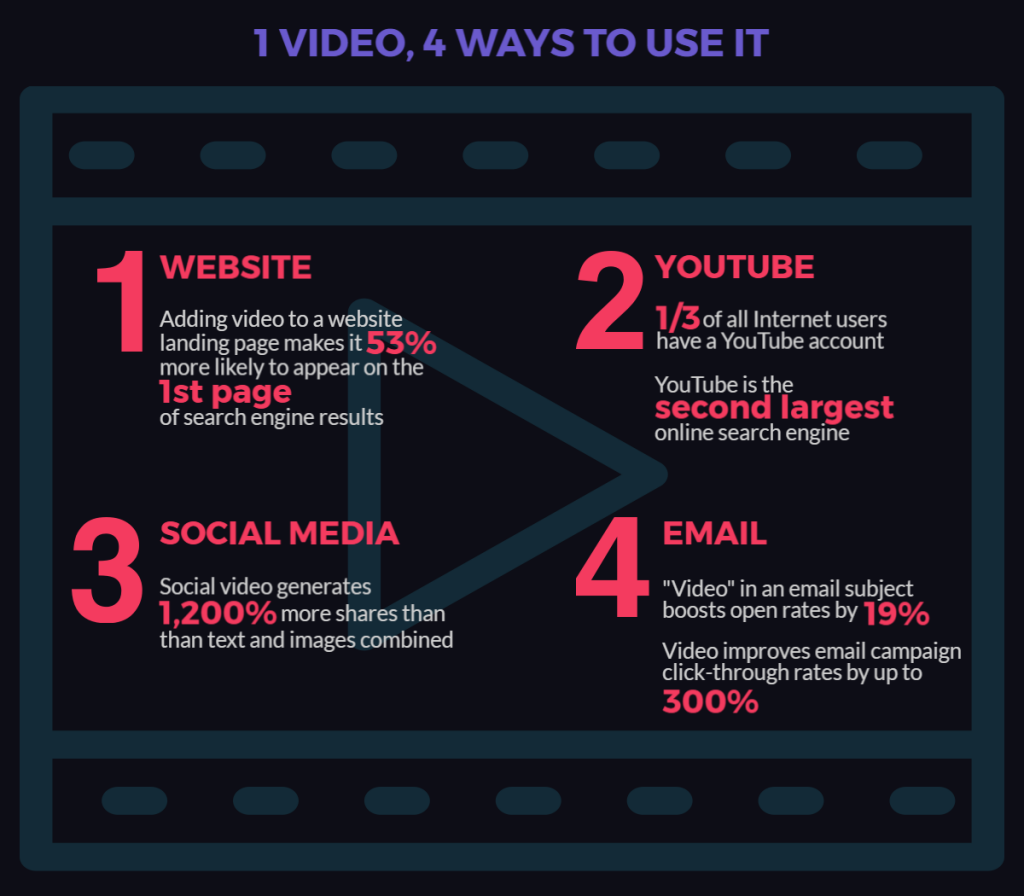
It really can’t be over exaggerated: video is THE most shared form of content on the internet. By 2018, it will account for nearly 80% of all worldwide consumer internet traffic. But it still baffles many small business owners. How do you use video? Can you really reach customers that way? And does it make a difference in sales? Incorporating video into your marketing is actually a lot easier than it sounds. And statistics show it works. Here are 4 ways to make video work for you. Post it on Your Website Websites are like digital storefronts. You spend a lot of time and effort creating curb appeal, getting customers to find you, come in and spend some time browsing. Ultimately, you want them to make a purchase. To create this digital sales cycle, you want to boost your search engine optimization, or SEO. A lot of elements go into how a website ranks in search engine results, from the average time spent on the site to the number of pages viewed. And nothing steps up to the plate to help like video. Adding a video to a landing page makes it 53% more likely to appear on the first page of Google search results. Probably because Google ranks websites with video content five times higher than websites without. That’s a big boost. Then when you have videos on your website, visitors will spend more than twice as long browsing the site, which is also good for SEO. And putting a video on a landing page not only helps SEO, it increases conversions by 80%. Create a YouTube Account Love it or hate it, YouTube is an essential part of our digital world now. It’s the second most used online search engine (after Google, of course). One third of all Internet users have a YouTube account, though you don’t need an account to watch videos, and over 50% of people watch at least one online video each day. That is a huge audience, both locally and globally. And those are customers, clients, patients and partners you could be reaching. Once you consider that YouTube is owned by Google, the connection between video and SEO becomes a little more clear. You can also use keywords, links and other SEO best practices in your YouTube video description that will drive more traffic to your website. Share it on Social Media If social media plays any role in your smal business marketing plan, your plan should also include video. Social video generates 1,200% more shares than simple text or image posts combined. People love to watch and share videos, making it a great, organic way for current customers and followers to help introduce you to new followers. There are also more traditional marketing strategies you can employ through social media, like Facebook boosted posts and ads. And as you might suspect, video ads do better than ads with only text, images and links. Send it in an Email Once you have a video embedded on your website or posted on your YouTube account, you have to tell people it’s there. Social media is a good way to spread the word, but not everyone is on social media. Everyone has an email address. Even if you don’t send out digital newsletters (by the way, you should, but that’s a different blog post), you can send the video link in an email. Just including the word “video” in your email subject line will get 19% more of your audience to open the email. Then putting a video in the email can boost your click-through rate by up to 300%. Software programs like MailChimp and Constant Contact track these open and click-through rates, so it’s simple to compare the results of a non-video email to the results of a video email. With online tracking methods, it’s pretty easy to see the results and ROI of video. You know what you spent to produce and distribute the video(s), and you can track your increase in traffic, followers and sales after adding video to your marketing mix. There’s no denying the audience is there and waiting for it, so get your business out there and be seen!
Video Marketing for Small Business
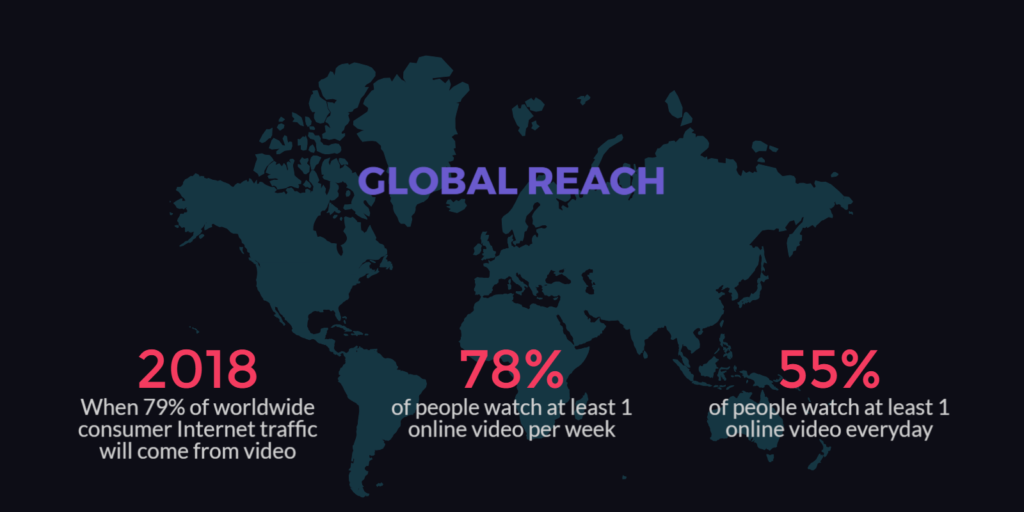
Sources: AdWeek, Cisco, Forrester, HubSpot, Insivia, Invodo and YouTube
Alpha Dog Running & Drinking Club – September Fun Run

RUN LIKE YOU STOLE IT! Or like there’s booze at the end… because there is. The Alpha Dog Running & Drinking Club is a fun run that brings together the community, businesses and nonprofit organizations. Our inaugural run on September 23 features d’Vine Gourmet and Arizona Helping Hands. ROUTE The 3-mile loop will start and end at d’Vine Gourmet (Alma School Road and Chandler Heights Road). If you’re feeling good, make it two loops. If you want to walk or quality check the wine, turn around at the 1-mile mark. Miles and turns will be clearly marked. We expect runners and walkers of ALL speeds. Strollers and dogs are welcome, too (if it’s not too hot). Of course dogs will be asked to stay outside the shop. After the run, d’Vine will host a private wine and beer tasting for us. So yes, there is booze at the end! And juice boxes for youngsters. Everyone who participates will be entered into a raffle for prizes from d’Vine and Alpha Chiropractic. Those who bring a donation will be entered into an additional raffle for more d’Vine prizes. We’ll also have discount codes for the Gilbert Marathon and will give away a race entry. And the best part – it’s all FREE! SCHEDULE 5:30-6pm Check in, drop off Arizona Helping Hands donation 6pm Run! 6:45pm Raffle 6:45-7:30pm Wine and Beer Tasting *We ask that everyone returns to the store by 6:45pm. If you want to get in a longer run, please let us know and plan to leave a little earlier than the 6pm start. ARIZONA HELPING HANDS Our nonprofit partner is Arizona Helping Hands, an organization that assists foster families and children. In addition to toy and school supply drives, this amazing organization supplies cribs, beds and basic needs to thousands of boys and girls – the ONLY organization in Arizona to do so. Alpha Chiropractic and Videre Creative Services are hosting a baby supply donation drive for Arizona Helping Hands that will officially kick off at this fun run. We encourage you to bring an item from the supply list below, or make a monetary donation if you can. Did you know that Arizona offers a dollar-for-dollar tax credit – up to $1,000 – for monetary donations to Certified Foster Care Charities? Arizona Helping Hands is on that approved list! Bring your donations to the run or drop them off at the Alpha Chiropractic office any time through October 31. Monetary donations should be in the form of a check made out to Arizona Helping Hands or through our online donation site – more info to come. Receipts are available for all donations. NEEDED BABY SUPPLIES: Diapers and wipes (any size) Tearless shampoo/body wash Baby powder Diaper rash treatment Baby lotion Brush and comb Baby washcloths Hand sanitizer Toys for newborns – 4 years old This event is hosted by Alpha Chiropractic & Physical Therapy and Videre Creative Services.